Gate Safety Inspections & Compliance
Electric gate safety inspections, force testing, and technical file creation. Meet UK safety regulations. Gate Safe trained engineer. Sussex, Surrey, Kent. Call 07542 024681.
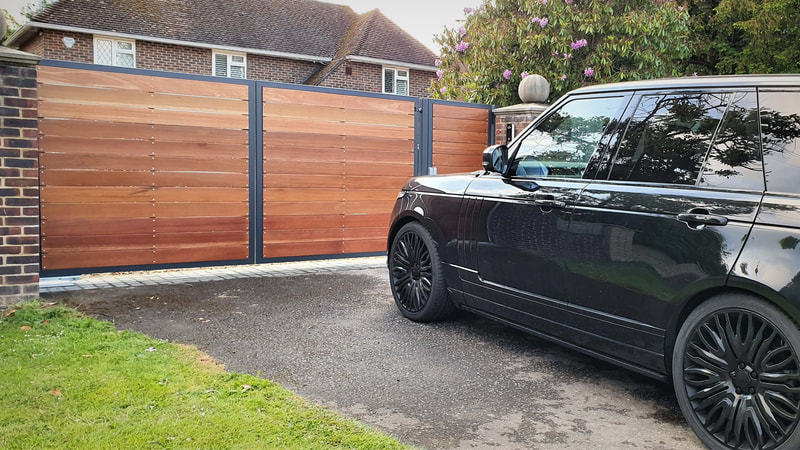
If you own an electric gate, you have a legal responsibility to ensure it's safe. The Supply of Machinery (Safety) Regulations 2008 and the Machinery Directive (2006/42/EC) apply to all automated gate systems in the UK — residential and commercial.
Most homeowners don't know this. Most gate installers don't tell them. We do.
Safety inspection: £195+VAT
Call us: 07542 024681 | Book online
Why Gate Safety Matters
The Legal Position
If your electric gate injures someone — a visitor, a delivery driver, a child, a pet — you as the property owner are liable. This applies whether the gate was installed by you, a previous owner, or a builder.
The gate must have:
- A technical file documenting the installation and risk assessment
- Safety devices that prevent the gate from trapping or crushing
- Regular force testing to verify the gate operates within safe limits
- Ongoing maintenance to ensure safety devices remain functional
If any of these are missing and someone is injured, you have a serious legal and insurance problem.
The Reality
Many electric gates in Sussex, Surrey, and Kent were installed without proper safety documentation. We regularly find gates with:
- No technical file
- No safety edges
- Photocells installed but never tested
- Force levels that exceed the legal maximum (400N in trap zones)
- Manual releases that have seized from disuse
A safety inspection identifies and resolves all of these issues.
What a Safety Inspection Includes
1. Visual Inspection
The entire gate system is visually assessed: gate condition, motor housing, control box, wiring, sensors, safety edges, warning signs, and manual release mechanisms.
2. Force Testing
Using calibrated equipment, your engineer measures the force exerted by the gate at key points during opening and closing. BS EN 12453 sets maximum limits — 400N in primary trap zones, 1400N in secondary zones. Any measurement above these limits means the gate must be adjusted or additional safety devices installed.
3. Safety Device Testing
Every safety device is functionally tested:
- Photocell beams (do they detect an obstruction?)
- Safety edges (do they stop and reverse on contact?)
- Warning lights and audible alarms (do they activate before movement?)
- Emergency stop buttons (do they immediately halt the gate?)
4. Technical File Review
If a technical file exists, your engineer reviews it for completeness. If one doesn't exist — which is common on older installations — we can create one. The technical file documents the gate system, the risk assessment, the safety measures, and the maintenance schedule.
5. Written Report
A detailed report covering all findings, measurements, pass/fail results, and recommendations. This is your evidence of compliance — keep it with your property records.
Who Needs a Safety Inspection?
Note: We do not offer safety inspection services to schools or large commercial sliding gate installations. These require specialist compliance frameworks beyond the scope of residential gate safety.
Pricing
Frequently Asked Questions
Do I need a technical file for my gate?
Legally, yes. Every automated gate system should have a technical file documenting the installation, risk assessment, and safety measures. In practice, many residential gates don't have one — especially those installed before awareness of the regulations increased. We can create one for you.
What happens if my gate fails the force test?
Your engineer will adjust the motor settings to reduce the force. If adjustment alone isn't sufficient, additional safety devices (safety edges, pressure-sensitive strips) can be fitted to ensure the gate reverses before reaching dangerous force levels.
How often should force testing be done?
At least annually, or whenever changes are made to the gate system (new motor, new safety devices, structural repairs). Force testing is included in our standard annual service.
Is gate safety inspection different from a regular service?
A regular service focuses on mechanical condition and performance — keeping the gate running well. A safety inspection focuses specifically on compliance — is the gate safe for people who might come into contact with it? The annual service includes the key safety checks (force testing, photocell testing), but a standalone safety inspection also covers technical file review and a more detailed risk assessment.
I just moved in and the gate came with the house. What should I do?
Book a safety inspection. As the new owner, you inherit responsibility for the gate's safety. Your engineer will assess the system, identify any missing safety measures, and create documentation if none exists. This is one of the most common reasons people call — "We just moved in, can we book a service?"
Frequently Asked Questions
Need Your Gate Fixed?
Call us or book a time slot online. Emergency callouts available 7 days a week.